
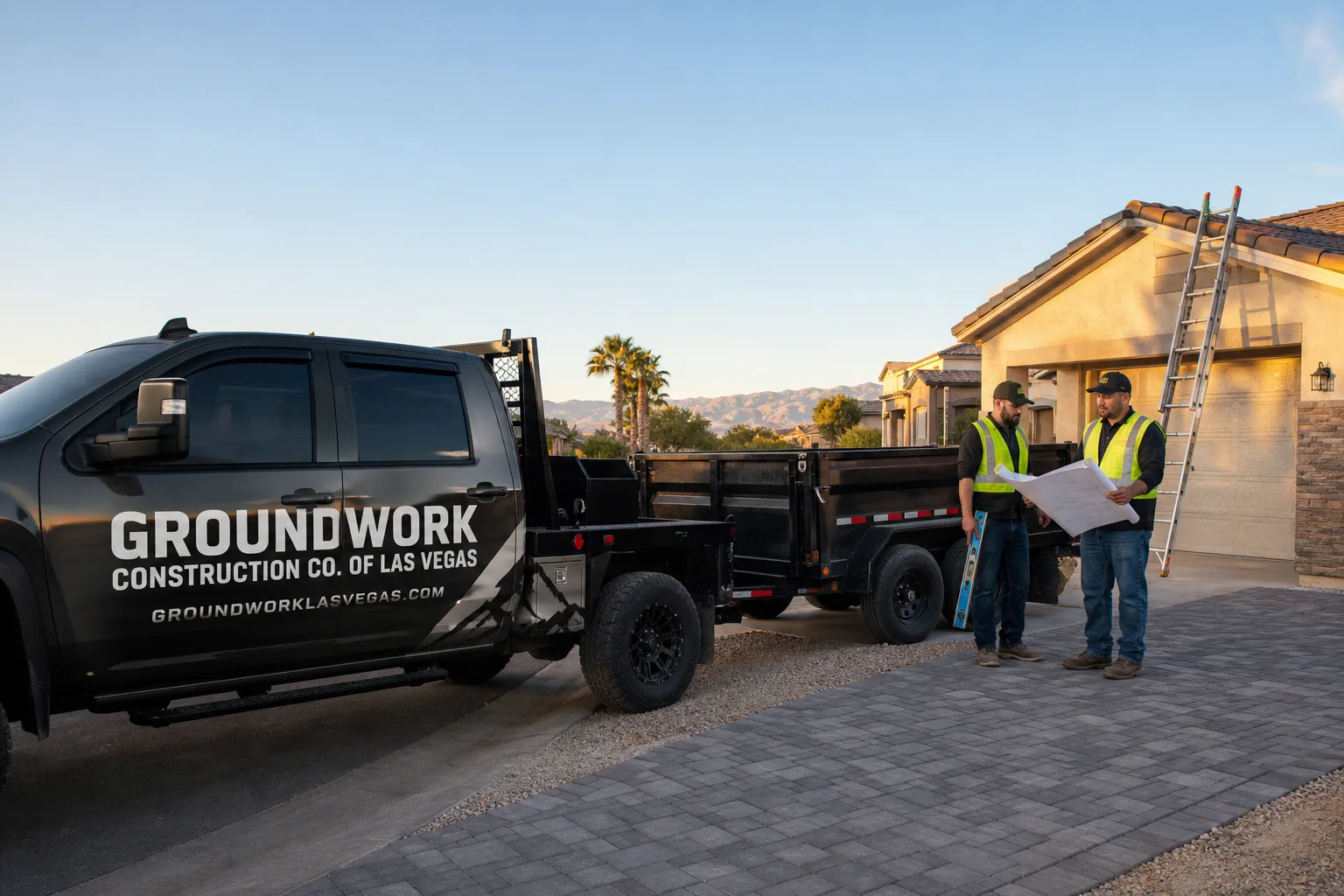
Iron Fence Installation in Logandale - Cost, Timeline, and What to Know
Our Logandale Fence Installation typically runs $3,500-$9,000 for a standard residential property, with most projects completed in 2-4 days once materials arrive. Because Logandale sits roughly 60 miles northeast of the Las Vegas contractor base, crews that serve this area need to plan for a single, well-equipped trip rather than multiple return visits. Call (855) 951-4361 for a free on-site estimate and we’ll confirm your timeline and exact price after measuring your property.
How We Build an Iron Fence on a Logandale Property
We’ve learned the hard way that Logandale service area jobs don’t forgive poor planning. The caliche hardpan beneath many Logandale lots, the FEMA flood-zone requirements that apply to much of the 89021 area, and the 60-mile haul from our Las Vegas warehouse mean every iron fence project gets mapped out before we load the truck. Here’s what actually happens, and when.
Day 1: Layout, Utility Marking, and Caliche Assessment
We arrive with the post layout staked, but the first hour is always spent confirming what’s underground. Nevada 811 marks are required, and in Logandale’s older ranch-style neighborhoods along South Moapa Valley Boulevard, we’ve hit unmapped irrigation lines and abandoned electrical runs that previous owners never documented. We also test-drill the first post hole to gauge caliche depth. If we hit the hardpan within 18 inches, we bring in the pneumatic breaker and adjust our schedule. You’ll decide at this stage whether to proceed with standard concrete footings or upgrade to deeper, wider piers that account for the alkali-heavy soils.
Day 1-2: Post Setting and Initial Curing
Iron fence posts in Logandale need more concrete than a typical desert install. The alkali soil attacks standard fasteners and can wick moisture up from the Muddy River floodplain during rare but heavy events. We use a minimum 2,500 PSI mix with added Portland cement, set 30-36 inches deep depending on the caliche break. Posts cure overnight. During this stage, you’ll confirm the final gate swing direction and any custom scrollwork or finial options if you haven’t already.
Day 2-3: Panel Hanging and Alignment
Iron panels arrive pre-welded from our fabricator, but every install requires field trimming for grade changes. Logandale’s rural lots often slope away from the home toward drainage channels, so we rack the panels to follow contour rather than stepping them, which looks cleaner on long ranch property lines. We hang gates last, after confirming the opening is square. Most residential iron fence jobs use 4-6 foot heights; agricultural properties near the Logandale Trailhead sometimes spec 8-foot with extended pickets for livestock containment.
Day 3-4: Finish Work and Hardware
All field welds get ground, primed, and touched with the final powder-coat color match. We install self-closing hinges on gates, magnetic latches where children or horses are present, and drop rods on double gates. The hardware choice matters more here than in milder climates; we’ve replaced cheap zinc-plated latches on 3-year-old fences that the Moapa Valley sun had already seized. We finish with a walkthrough, photo documentation, and written confirmation that the 730-Day Done Right Promise is active.
Final: Inspection Coordination (If Required)
Clark County unincorporated permitting for iron fence in Logandale varies by project scope. Front yard fences or any structure over 6 feet typically trigger a permit and inspection sequence. Because much of Logandale falls within FEMA flood zones, elevation certificates or flood-resistant foundation documentation may be required for permanent structures, including retaining walls integrated with fence lines. We handle the submission and meet the inspector, but the timeline can extend 5-10 business days if county scheduling is tight.
The Iron Fence Options You’ll Actually Choose Between
- Wrought iron vs. tubular steel: True wrought iron is hand-forged, heavier, and costs roughly 40-60% more than tubular steel. For most Logandale properties, tubular steel with welded pickets offers the same visual weight at a lower price. Wrought iron makes sense only for historic restoration or custom estate work where the fabrication detail is visible up close.
- Picket style and spacing: Standard 4-inch spacing meets pool code and keeps most animals contained. Narrow 2-inch spacing adds cost but blocks smaller livestock and creates a more solid visual barrier. Alternating picket heights (spear-top, flat-top, or custom scroll) change the fence’s character significantly; spear-top is the default for security-conscious installs.
- Powder-coat color: Black is standard and fastest to source. Bronze, green, and custom colors add 2-3 weeks to material lead time and roughly 10-15% to the finish cost. In Logandale’s intense UV exposure, we specify a super-durable polyester powder coat rated for 3,000+ hours salt spray, not the entry-level epoxy that fades to gray in three summers.
- Gate configuration: A single 4-foot walk gate is standard for pedestrian access. Double 10-14 foot drive gates require heavier posts, upgraded hinges, and often an automatic opener. For rural properties with long service drives off North Moapa Valley Boulevard, we sometimes recommend a separate utility gate for equipment access, which saves wear on the decorative primary gate.
- Foundation type: Standard concrete footings work in shallow caliche or sandy loam. Where the hardpan is thick or the fence line runs through a seasonal drainage path, we recommend drilled piers with rebar cages. This adds $45-$85 per post but prevents the heave and tilt we’ve repaired on fences installed by crews who treated Logandale soil like standard Las Vegas valley dirt.
Serving Logandale, NV - Our Local Coverage Area
We’re based in the Logandale area and know this community well. Use the map below to see our service coverage - if you’re nearby, we can almost certainly help.