
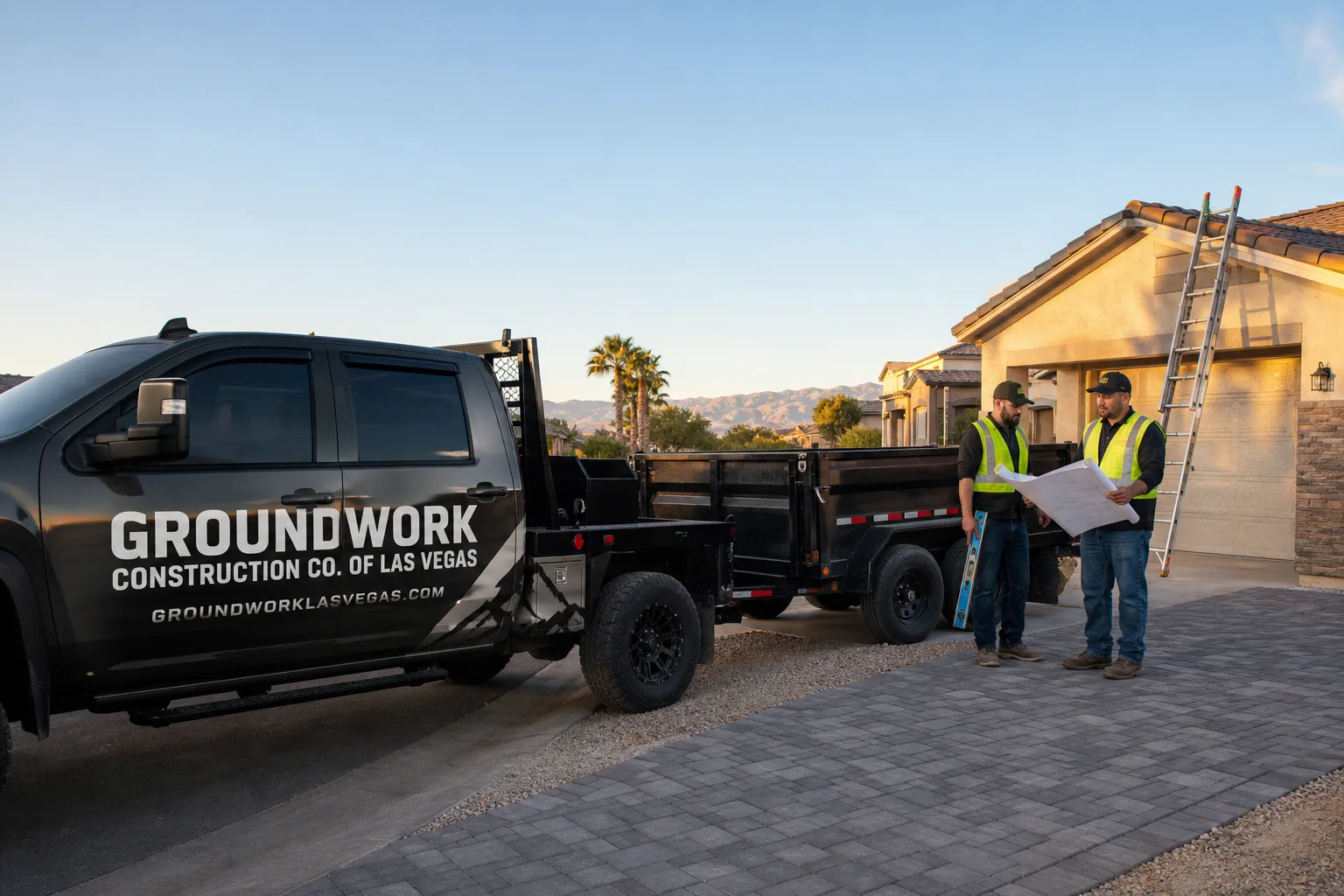
How Much Does Tile Roofing Cost in Spring Valley, and How Long Does It Take?
Our Roofing in Spring Valley typically runs $8,000-$20,000 for a full replacement, with most jobs completed in 3-5 business days once materials arrive. The exact price hinges on your roof’s square footage, the condition of the underlayment beneath existing tiles, and whether we’re working on a single-story ranch near Flamingo Road or a two-story stucco home off Spring Mountain Road. Call (855) 951-4361 and you’ll reach a live person, 24/7, who can schedule a free on-site estimate and walk you through the 730-Day Done Right Promise that backs every roof we install.
How We Handle Tile Roofing from Tear-Off to Final Walkthrough
We’ve installed and replaced tile roofs across Spring Valley’s 1970s-1990s housing stock long enough to know where the surprises hide. Here’s what actually happens, and when you’ll need to make decisions.
Day 1: Protection and tear-off. We arrive early, before the valley heat climbs past 90°F. The crew covers landscaping, pools, and outdoor surfaces with tarps and plywood runways. Then we strip the existing tile, felt underlayment, and any deteriorated flashing down to the roof deck. This is when we discover the truth about your decking, if water’s been getting in for years, we’ll see soft OSB or delaminated plywood that needs replacing. You decide: patch the bad sections or redeck the entire surface. Most Spring Valley homes need 10-20% decking replacement; we photograph everything and call before proceeding.
Day 1-2: Deck inspection and repair. We inspect every inch of exposed sheathing, rafter tails, and fascia. In Spring Valley’s extreme thermal cycling, we’ve found rafter ends degraded where stucco meets roofline, especially on south-facing slopes. Repairs happen now, because once the underlayment goes down, we won’t pull it up for anything short of an emergency. Typical deck repair adds 2-4 hours.
Day 2-3: Underlayment and flashings. This is the waterproofing layer that actually keeps your home dry, the tiles are just armor. We install a high-temp underlayment rated for 110°F+ surface temperatures, because standard felt degrades fast in the Las Vegas sun. We also replace all valley metal, pipe boots, and wall flashings. You’ll choose between standard valley metal or a closed-cut valley with extra-wide W-pan, the latter handles monsoon downpours better but adds material cost.
Day 3-4: Tile installation. We set battens if your tile profile requires them, then lay tile from the eaves up, overlapping each course to shed water toward the gutters. On Spring Valley’s older tract homes, we often find original roof designs that didn’t account for modern tile weight, concrete tile runs 800-1,000 pounds per square, clay closer to 600-800. If your structure needs reinforcement, we would have flagged this during estimation, never as a surprise mid-job.
Day 4-5: Ridge, hip caps, and cleanup. We mortar or mechanically fasten ridge and hip tiles, seal all penetrations with UV-stable sealant, run a magnet sweep for nails, and haul every scrap of debris. Final photos go to you before we request Clark County’s inspection. Most tile roofing jobs in Spring Valley pass inspection on the first visit when the prep’s done right.
The Tile Options You’ll Actually Choose Between
- Concrete tile (S-tile or flat profile): The most common choice in Spring Valley. Runs $8,000-$14,000 on a typical 2,000-square-foot roof. Heavier than clay, which means your structure must handle the load without modification on most post-1980 homes. Color-through concrete resists fading better than surface-coated alternatives. Downside: in 110°F heat, the thermal mass holds warmth well into evening, slightly increasing cooling load.
- Clay tile (Spanish or mission profile): Lighter, more breathable, and historically authentic for Mediterranean-influenced architecture. Budget $12,000-$20,000 for the same footprint. Clay doesn’t absorb water the way concrete can, so it’s less prone to freeze-thaw cracking, though that’s rarely an issue in Spring Valley. The real trade-off is availability, clay ships slower from regional distributors, adding 1-2 weeks to material lead time.
- Lightweight composite tile: Synthetic alternatives at roughly 70% the weight of concrete. Good fit for older Spring Valley homes where structural capacity is uncertain without invasive inspection. Costs run mid-range, but long-term track record in extreme UV is shorter than traditional materials. We specify these only when weight constraints or HOA color-matching requirements demand it.
- Underlayment grade: Standard felt versus high-temp synthetic. In Spring Valley’s climate, we won’t install standard felt, it’s a false economy. The upgrade to synthetic underlayment adds $400-$800 to most jobs and extends functional waterproofing life by 10-15 years. This isn’t an upsell, it’s a requirement for the 730-Day Done Right Promise.
- Batten versus direct-to-deck: Some tile profiles install over pressure-treated wood battens, others fasten directly to the deck. Battens improve airflow and reduce heat transfer but add labor. Direct-to-deck is faster and slightly cheaper. We recommend battens for south-facing roofs in Spring Valley, where thermal load is highest.
What Tile Roofing Costs in Spring Valley, NV
Tile roof replacement in Spring Valley falls between $8,000 and $20,000 based on our local project history. Here’s what pushes a job toward the low or high end:
| Cost Factor | Low-End Scenario | High-End Scenario |
|---|---|---|
| Roof size | 1,200 sq ft, single-story | 3,500+ sq ft, two-story with complex hips |
| Deck condition | Solid OSB, <10% replacement | Extensive rot, full redeck needed |
| Tile material | Standard concrete S-tile | Imported clay or custom color blend |
| Structural work | None, existing trusses rated for tile | Sistering rafters, adding purlins |
| Access and protection | Open lot, no pool, standard slope | Tight zero-lot-line, pool enclosure, steep pitch |
What’s included in our Roofing services: all tear-off and disposal, deck repair up to a specified square footage, synthetic underlayment, ice-and-water shield at valleys and penetrations, tile and fastening system, new flashings, ridge/hip caps, permit fees, and final cleanup. What’s typically separate: structural engineering if required, gutter replacement, skylight upgrades, and any interior drywall repair from pre-existing leaks. Upfront pricing, no surprises, the number you see is the number you pay. Call (855) 951-4361 for an exact quote, estimates are free.
What Spring Valley Homes Specifically Mean for This Job
Spring Valley’s housing stock, those stucco-clad wood-frame tract homes built from the late 1970s through the 1990s just west of the Strip corridor, creates a specific set of conditions for tile roofing that out-of-market crews routinely miss.
The post-tension slab foundations nearly universal here don’t directly affect the roof, but they signal the construction era and methods we encounter overhead. These homes were built fast during the Las Vegas suburban boom, with roof structures designed for lighter composition shingles, not the 800-1,000 pounds per square that concrete tile adds. We’ve replaced roofs on Spring Mountain Road-area homes where the original truss design needed reinforcement before tile could safely load the structure. A crew unfamiliar with this local housing pattern might sell tile without verifying capacity.
Then there’s the thermal environment. Summer temperatures exceeding 110°F don’t just make our crews start before sunrise, they bake roofing materials in ways that accelerate failure modes. UV degradation of sealants and underlayment happens faster here than in Phoenix, let alone coastal California. We specify high-temp-rated materials as standard, not optional, because we’ve seen standard-grade underlayment become brittle and crack within five years on south-facing Spring Valley slopes.
The monsoon pattern matters too. Those brief, intense downpours that hit from July through September will find any flaw in valley drainage or flashing integration. Homes near Flamingo Road with original 1980s tile roofs often come to us with valley leaks that went undetected for years because the annual rainfall total is low, the intensity of individual storms is what does the damage.
Spring Valley ADU Design & Permitting runs through Clark County, with inspections typically scheduled within 2-3 business days of completion. HOAs in Spring Valley’s planned communities, including portions of the 89103 ZIP, sometimes require architectural review for color or profile changes, a process that adds 2-4 weeks before work can begin. We handle the submittal, but you’ll need to initiate the HOA application, we can’t do that on your behalf.
Serving Spring Valley, NV - Our Local Coverage Area
We’re based in our Spring Valley service area and know this community well. Use the map below to see our service coverage - if you’re nearby, we can almost certainly help.
Frequently Asked - Tile Roofing in Spring Valley
Most tile roofing replacements take 3-5 business days from tear-off to final inspection, plus 1-2 weeks for material delivery if you’re selecting clay or a custom concrete blend. Monsoon season, July through September, can delay exterior work for safety reasons. Call (855) 951-4361 to check current scheduling, our live person, 24/7, can confirm availability.
Yes, Clark County requires a building permit for any tile roof replacement, and a separate inspection after completion. We pull the permit as part of our standard process and schedule the inspection, you don’t need to visit the county office. The permit fee is included in your written estimate.
Yes, though we inspect both during estimation. Gutters can often stay if they’re properly detached and reinstalled around the new eave profile. Skylights are trickier, old curb-mounted units rarely seal well with new underlayment, and we recommend replacement if they’re past 15 years. We’ll show you photos and let you decide.
Tile lasts 40-50 years versus 15-20 for composition in Spring Valley’s UV intensity, so the lifetime cost often favors tile despite higher upfront investment. Tile also reflects more radiant heat and improves resale value in this market. The 730-Day Done Right Promise covers our workmanship either way, but tile’s material warranty from manufacturers like GAF or Owens Corning typically runs 50 years.
We identify this during our structural assessment before quoting, never after work begins. Reinforcement options range from sistering existing rafters to adding support purlins, typically adding $1,500-$4,000. If reinforcement isn’t practical, we’ll recommend lightweight composite tile or a high-grade composition shingle that mimics tile profile. Built to last, backed in writing, we don’t install materials your home can’t safely carry.
Schedule Your Free Tile Roofing Estimate in Spring Valley
Call (855) 951-4361 now and you’ll reach a live person, not voicemail, any hour of any day. We’ll schedule a free on-site estimate at your Spring Valley home, deliver upfront pricing with no surprises, and if you move forward, your tile roof will be covered by our 730-Day Done Right Promise. From foundation to finish line, Groundwork Construction Co. handles every detail.
Written by Todd Mervyn, Owner at Groundwork Construction Co., serving Spring Valley since 2014.