
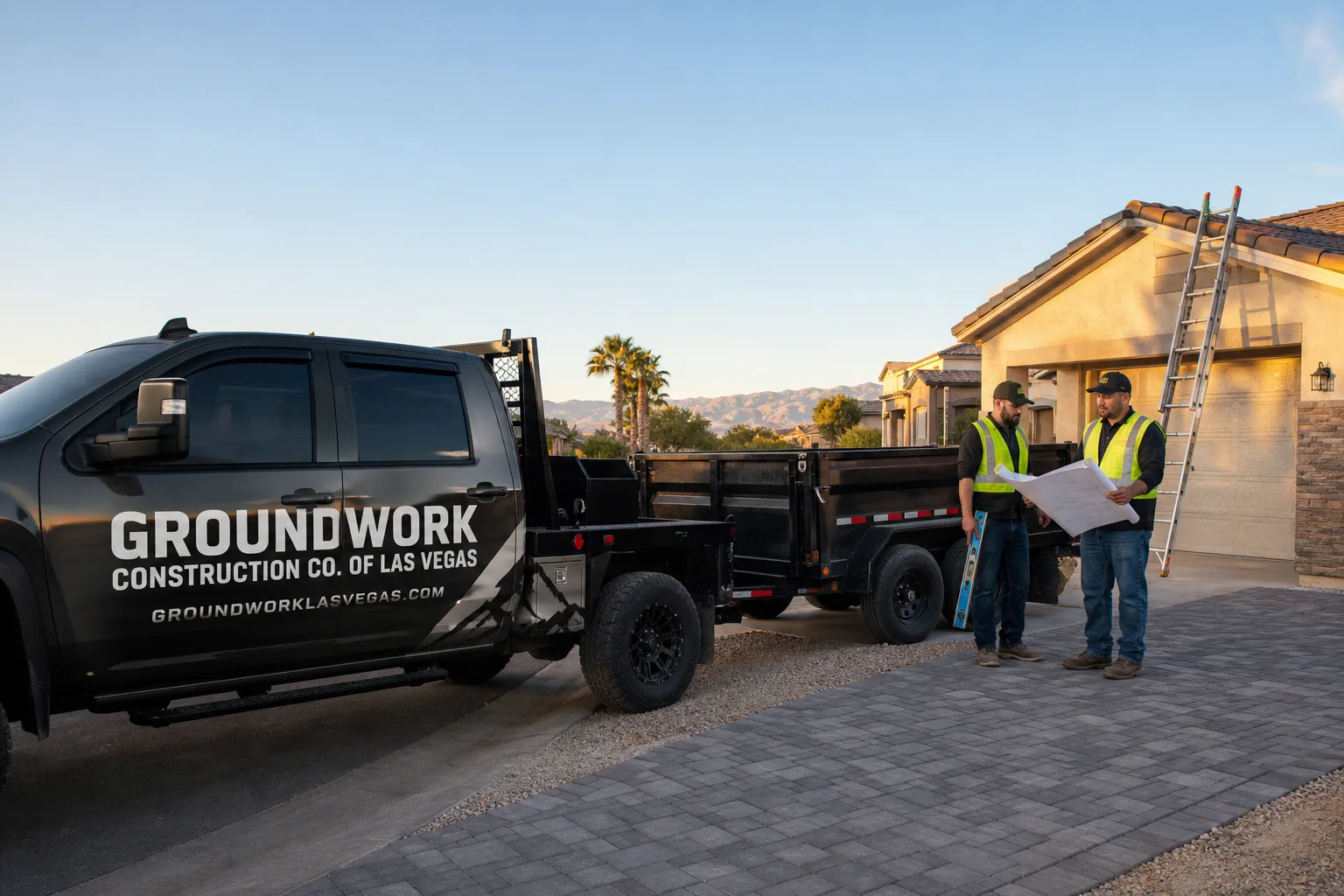
Impact Windows & Doors in Enterprise, NV: What to Expect
Impact windows and doors in Enterprise, NV typically run $8,000-$25,000 for a full-home installation, with most residential jobs wrapping in 3-5 working days once materials arrive. These aren’t standard replacements; they’re engineered assemblies built to withstand debris impact and severe pressure cycling without breaching the envelope. Call (855) 951-4361 and we’ll walk your property, measure every opening, and give you a written estimate with no deposit required.
Enterprise’s 2000s-era stucco tract homes - the ones filling Rhodes Ranch, Southern Highlands, and the newer desert-edge subdivisions - were built with builder-grade vinyl windows that weren’t designed for the thermal punishment this valley dishes out. After 15-20 years of 110°F summers and sub-40°F winter nights, the seals fail, the frames warp, and the single-pane or thin dual-pane units leak conditioned air like a sieve. Impact-rated replacements solve that and add a structural layer of protection most homeowners here haven’t considered.
Because Enterprise sits in unincorporated Clark County, not the City of Las Vegas, every permit for this work routes through the Clark County Building Department. We’ve watched out-of-area crews file Las Vegas city permits and get shut down mid-project. That’s a delay you don’t need, and it’s one reason we handle permitting in-house on every job.
If you’re looking at impact windows and doors as part of a broader exterior overhaul, our Windows & Doors in Enterprise page covers the full scope of what our crew handles across this market.
How We Handle Impact Windows & Doors - Start to Finish
We’ve refined this into a five-stage process that keeps most Enterprise jobs moving without the homeowner chasing us for updates. Here’s what actually happens:
Stage 1: On-site measure and spec lock (Day 1, 90 minutes)
We walk every opening with a laser measure, check frame condition, and photograph existing trim and stucco returns. You’ll decide right then: impact-rated vinyl or aluminum-clad, frame color, grid pattern, and whether you want integrated screens or storm-rated shutters as backup. We note any rotted wood, termite damage, or out-of-square framing that needs repair before the new unit goes in. That same visit, we deliver your written estimate with line-item pricing.
Stage 2: Permit pull and material order (3-10 business days)
We file with Clark County Building Department using our contractor license, not yours. Impact windows and doors carry Miami-Dade or Florida Building Code ratings; we verify each SKU’s NOA (Notice of Acceptance) is current before ordering. Lead times vary by manufacturer - 2-4 weeks for standard sizes, 6-8 weeks for custom architectural shapes. We don’t collect material deposits; our vendor terms cover that risk.
Stage 3: Demo and rough prep (Day 1 of install, 4-6 hours)
Crew arrives in uniform, lays protection on floors and landscaping, and removes existing sashes and frames. On Enterprise’s stucco homes, we cut back the stucco return carefully - too shallow and the new frame sits proud; too deep and we expose paper and wire that needs patching. We inspect sill pans, flashings, and the WRB (weather-resistant barrier) behind the opening. Any rot or termite damage gets repaired now, before the new unit is committed to the hole.
Stage 4: Install and seal (Days 2-4, depending on opening count)
Each impact unit is set level, shimmed to manufacturer spec, and fastened through the frame into structural framing - not just trim studs. We use backer rod and structural sealant at the perimeter, then install pre-formed aluminum flashing integrated with the existing drainage plane. On south- and west-facing walls common in Enterprise’s desert lots, we add solar-reflective film or specify low-E coatings calibrated for 2,000-foot elevation UV exposure. Every unit is operated, locked, and inspected before we move to the next.
Stage 5: Trim, stucco repair, and final inspection (Day 4 or 5)
Our Windows & Doors crew coordinates with our stucco specialist to match texture and color on patched returns. Clark County requires a final inspection on impact-rated installations; we schedule it, meet the inspector, and address any punch items on the spot. You get a packet: permit closure, manufacturer warranty cards, our 730-Day Done Right Promise documentation, and care instructions.
Most full-home jobs in Enterprise complete in a single trip. Large custom units or homes with 20+ openings may need a second mobilization. We tell you which category you’re in before you sign.
The Spec Choices That Move Your Price
Impact windows and doors aren’t a commodity. The differences between configurations matter for how your home performs and what you pay. Here’s what Enterprise homeowners actually weigh:
- Frame material: vinyl vs. aluminum-clad wood. Vinyl runs 15-25% less, insulates better thermally, and needs no painting. It’s the right call for most Enterprise tract homes where the original window was vinyl and the stucco return is sized accordingly. Aluminum-clad wood costs more but accepts darker exterior colors without heat distortion and delivers a richer interior aesthetic. We specify it when homeowners are pairing impact windows with a full exterior remodel or when HOA design guidelines demand it.
- Impact rating level: HVHZ vs. non-HVHZ. High-Velocity Hurricane Zone ratings (Miami-Dade, Broward, Palm Beach standards) involve heavier laminated glass, thicker interlayers, and more frame reinforcement. For Enterprise, HVHZ is overkill unless you’re specifically chasing insurance discounts or future-proofing against increasingly severe weather patterns. Non-HVHZ impact-rated units meet Florida Building Code and IBC standards at meaningful savings - typically $1,200-$2,800 less per home.
- Laminated glass makeup: standard PVB vs. SentryGlas ionoplast. PVB (polyvinyl butyral) is the industry default; it holds shards together on impact but can haze at the edges after a decade of desert UV. SentryGlas costs 20-30% more but uses ionoplast interlayer that’s stiffer, clearer, and doesn’t delaminate in extreme heat. For west-facing walls in Enterprise where afternoon sun pounds for six hours straight, we often recommend the upgrade.
- Operating style: fixed picture vs. single-hung vs. casement. Fixed units are cheapest and most impact-resistant because there’s no operable hardware to fail. Single-hung offers ventilation with a lower cost than casement. Casement seals tighter against wind pressure and is easier to clean from inside, but the hardware and multi-point locking add cost. We match style to room function - fixed for great rooms with HVAC, casement for bedrooms where egress matters.
- Finish and hardware: standard white vs. custom color, standard crank vs. multipoint. Most manufacturers offer 8-12 standard exterior colors at no upcharge; custom matching to existing trim adds $75-$150 per opening. Multipoint locking hardware (three locking points vs. one) is standard on casement and worth specifying on single-hung in high-wind exposure.
We don’t push every upgrade. Our Aluminum Fence in Enterprise customers often start with a single exterior project and expand once they see how coordinated specs improve the whole property. Same logic applies here: pick the right level for your exposure, your budget, and how long you plan to stay.
What Impact Windows & Doors Costs in Enterprise, NV
| Project Scope | Typical Range |
|---|---|
| Partial home (5-8 openings, front elevation or windward side) | $8,000-$14,000 |
| Full standard home (12-18 openings, vinyl frames, non-HVHZ) | $14,000-$20,000 |
| Full custom home (18-25+ openings, aluminum-clad, HVHZ, custom shapes) | $20,000-$25,000+ |
Five variables push you toward the high or low end of these ranges:
Opening count and size. A 6-foot sliding door counts as one opening but uses 4x the material of a 3×5 window. Large architectural shapes (trapezoids, circles, quarter-rounds above doors) require custom glass fabrication and extended lead times.
Existing frame and stucco condition. Enterprise’s 2003-2007 boom homes often have compromised sill pans or termite-damaged framing hidden behind intact stucco. We find it during demo and fix it, but repair adds $200-$600 per opening when needed.
Interior trim and wall finish. If your drywall returns tightly to the window frame, replacement disturbs paint and texture. We include standard patching in our estimate, but full repaint or texture match is typically outside scope unless specified.
Material grade and rating. The jump from non-HVHZ vinyl to HVHZ aluminum-clad with SentryGlas can add 35-50% to material cost. We quote both tiers when the homeowner wants to see the spread.
Permit and inspection complexity. Clark County’s standard window/door permit runs $350-$500 for residential. If your home is in a newer subdivision with active HOA architectural review, add 2-3 weeks for their process. We handle both but flag the timeline impact upfront.
Our estimates are fixed-price, not time-and-materials. The number you see is the number you pay. We also offer 0% financing for 18 months and $1,000 off projects over $10,000, which most full-home impact jobs qualify for.
Why Enterprise Homes Present Specific Challenges
Enterprise’s housing stock is almost entirely stucco-clad wood-frame construction on concrete slabs, thrown up rapidly between 2003 and 2007 in master-planned communities like Rhodes Ranch and Southern Highlands. Those homes are now hitting synchronized failure: original vinyl windows are delaminating, stucco is cracking from thermal cycling, and the low-slope roof sections over patios and entries are leaking into wall cavities. We’ve replaced impact windows in homes where the framing behind the stucco was rotted from years of window leakage the homeowner never saw until we pulled the unit.
The caliche hardpan beneath Enterprise’s sandy soil doesn’t directly affect window installation, but it shapes everything else about how these homes age. Slab movement cracks stucco, which cracks window returns, which lets water migrate behind the WRB. We inspect for that cascade on every measure. If your stucco is spiderwebbed on south and west walls, we budget for more extensive prep and likely recommend the solar-control glass upgrade.
Because Enterprise is unincorporated, contractors who routinely work Las Vegas proper sometimes file permits with the wrong jurisdiction. We’ve seen projects shut down for two weeks while permits get re-routed. Our team pulls exclusively through Clark County Building Department for every Enterprise address - no exceptions, no surprises.
New construction continues on former desert scrubland at Enterprise’s edges, so we’re also installing impact windows in new builds where the homeowner upgraded from builder standard. The spec process is cleaner there - no demo surprises, no stucco repair - but the permitting is identical. Whether your home is 20 years old or under construction, the jurisdictional path is the same.
Homeowners doing full exterior hardening often pair this work with perimeter security. Our Iron Fence in Enterprise installations use the same crew coordination and permitting rigor, if you’re considering that next phase.
Serving Enterprise, NV - Our Local Coverage Area
We’re based in the Enterprise area and know this community well. Use the map below to see our service coverage - if you’re nearby, we can almost certainly help.
Frequently Asked - Impact Windows & Doors in Enterprise
Most complete installations in Enterprise finish in 3-5 working days once materials are on-site, with an additional 3-10 business days for permit approval and material delivery. Custom shapes or HVHZ-rated units can extend material lead times to 6-8 weeks. We’ll give you a firm schedule at estimate acceptance, not a range. Call (855) 951-4361 and we’ll check current lead times for your spec.
Yes. Every impact-rated window and door replacement in Enterprise requires a permit from the Clark County Building Department, not the City of Las Vegas. We pull permits in-house as part of our standard process; you don’t visit the county office or fill out forms. The permit fee is included in your written estimate, and we handle scheduling the required final inspection.
Not entirely, but the disruption is limited. The replacement unit fits into the existing rough opening, so we don’t cut drywall back to studs unless we find hidden rot or termite damage. Standard installation disturbs interior paint and texture at the window perimeter; we include basic patching, but full repaint or texture match is typically a separate scope. We’ll show you exactly what to expect during the measure visit.
For most Enterprise homes, non-HVHZ impact-rated units meet all practical needs at 15-25% lower cost. HVHZ makes sense if your insurer offers a windstorm discount, your HOA mandates it, or you want maximum future-proofing against severe weather trends. We quote both ratings when asked, and we’ll tell you honestly which applies to your situation.
Manufacturer warranties on the frames and glass typically run 20 years to lifetime, depending on brand and tier. Our installation workmanship is covered by the 730-Day Done Right Promise - if it’s not done right, we make it right, with no deductibles or service fees. That’s one of the longest workmanship guarantees in residential construction, and it’s backed in writing on every project. Manufacturer warranty cards and our guarantee documentation are in your closing packet.
Ready for Your Free Estimate?
Call (855) 951-4361 anytime - a live person answers, 24/7. We’ll schedule a measure at your Enterprise home, walk every opening with you, and deliver a written estimate with line-item pricing and no deposit required. Ask about 0% financing for 18 months and $1,000 off projects over $10,000 when we meet.
Written by Todd Mervyn, Owner at Groundwork Construction Co., serving Enterprise and the Las Vegas Valley since 2014.